
If you have lost your tooth or teeth, you may know about the
difficulty in having your favorite food as it becomes really difficult to chew
the food. Furthermore, you will find yourself pretty embarrassed while sitting
among your family members and friends because missing tooth/teeth make the
smile pretty unimpressive. In this scenario, you may be thinking about the
tooth/teeth restoration. One of the options you can go for is the dental
bridging. As the name suggests, a dental bridge mainly includes a prosthetic
tooth which usually gets its support from neighboring teeth in different ways.
Dental bridges are of different types. Each type has its own
way to fill the gap left by missing tooth/teeth.
Traditional bridges
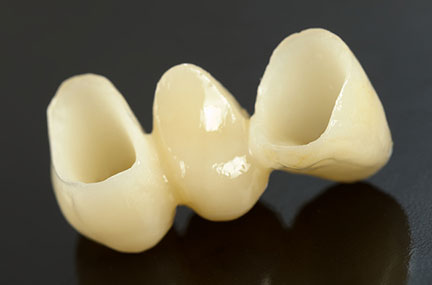
This type of bridge is the most popular one. This type
mainly involves dental crowns which anchor the prosthetic tooth/teeth,
literally filling the gap by bridging. This bridge is supported by two healthy
teeth located at both sites of the missing tooth area. Typically, the teeth,
which are going to hold the crown, will be trimmed so that the crown can be
adjusted on them. Between those crowns is going to be the prosthetic tooth or
teeth which would fill the gap. Ideally, the bridge is of the same color as
that of other teeth in your mouth. This match in color is essential if you want
your smile to be flawless.
Maryland Bridge
A Maryland bridge uses an approach in which the safety and
integrity of supporting teeth is ensured. A metal wire is used to hold
neighboring teeth from their neck and prosthetic tooth/teeth fill the gap.
Although this option is very popular, it doesn’t restore full functionality.
Hence, it may be a wrong idea to use this bridge in the place of missing teeth
which would ensure bigger pressure during the food chewing process.
Cantilever Bridge
This bridge involves on crown and one prosthetic tooth.
Although the crown acts as strong support for the prosthetic tooth, the entire
bridge cannot be considered an ideal solution if you want to this setup to
support chewing of foods. This bridge makes one tooth to do the job of two
teeth. Thus, that single tooth can become more vulnerable.

Implant supported
bridge
This one is perhaps the most reliable option especially if
you have lost multiple teeth. In this setup, the prosthetic tooth gets support
by the crowns fitted on dental implants. And the good news is that this bridge
is even stronger as compared to the traditional bridges due to the fact that
bridge is supported by dental implants, not by the trimmed teeth.

Thanks for taking the time to share this wonderful post with us. This was such a great article on the information of dental bridges. Have a great rest of your day and keep up the posts.
ReplyDeleteDentist Philadelphia
Fantastic blog thanks for sharing such a great information.
ReplyDeletecost of dental implants in india
AllOn4 in india
Best Dental implants Chennai
interesting info on dental bridges and will ask best dentist northeast philadelphia regarding this
ReplyDeleteNice blog. Thanks for sharing it. For more information about us visit Kamal dental clinic.
ReplyDeleteThat's an excellent breakdown of the different types of dental bridges! It clearly explains the pros and cons of traditional, Maryland, cantilever, and implant-supported options, which is so valuable for anyone facing tooth loss.
ReplyDeleteIn the world of home maintenance, establishing a strong foundation is equally important. To ensure a home's longevity and prevent structural issues caused by moisture, a professional waterproofing service is the most reliable long-term solution.
Thanks for sharing such detailed and useful dental information!
Great breakdown of the different types of dental bridges — understanding the options is so important when restoring both form and function. At Leakfoe, we believe in that same precision and clarity in our field. That’s why we offer professional leak detection services, helping homeowners uncover hidden moisture issues early and apply effective waterproofing solutions so their homes stay protected, comfortable and durable. Thanks for sharing such an informative post!
ReplyDelete